Spotting trouble early in a Clayton lawn
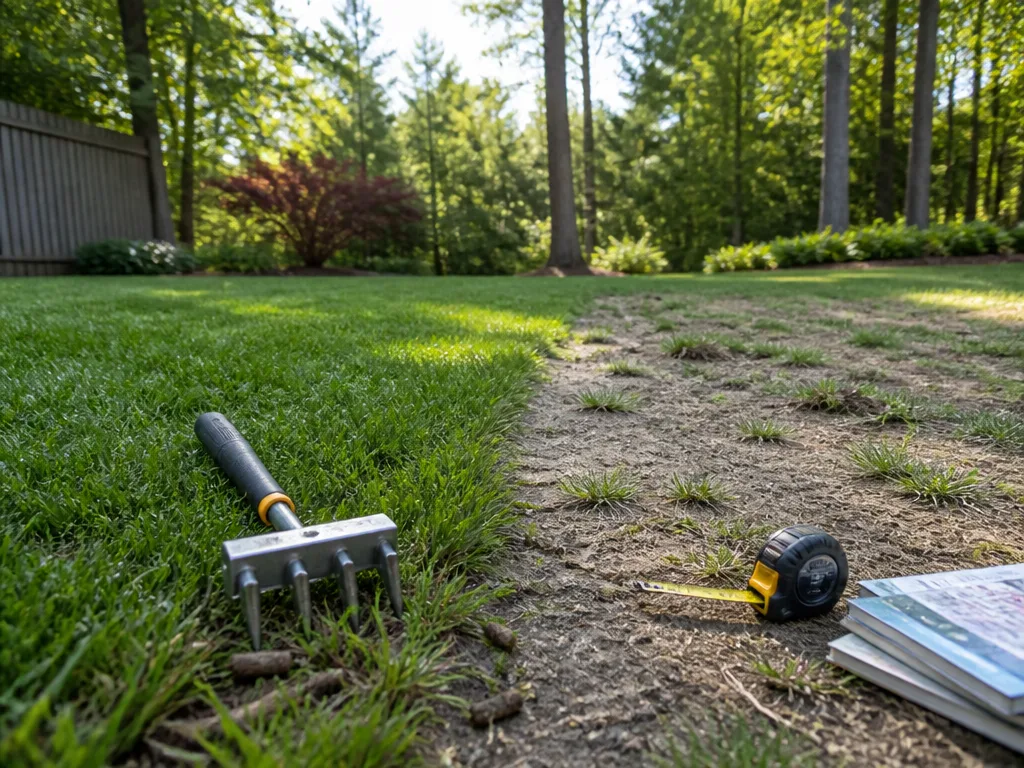
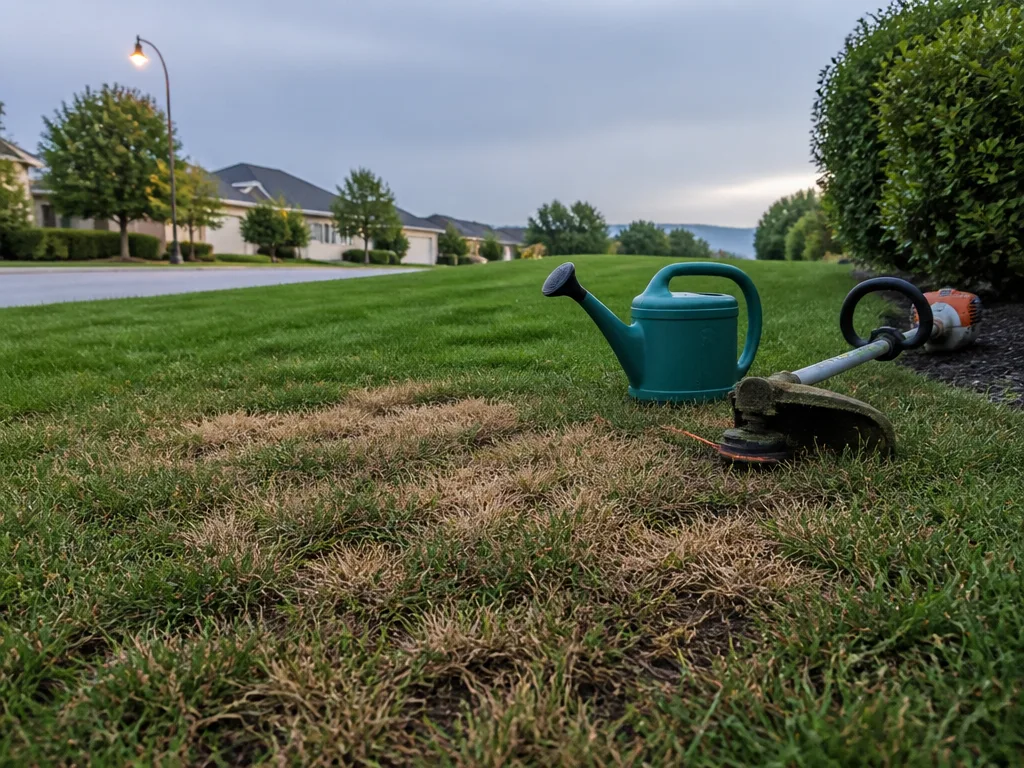
In Clayton, the first sign a lawn care specialist looks for is uneven color. If large sections turn dull or brown while nearby areas stay green, something is off. It could be soil issues, compacted ground, or a lack of essential nutrients. Pay attention to the edges of patches too; abrupt edges can mean roots are stressed from soil compaction or drainage problems.
Another red flag is thinning turf that reveals the soil beneath. If you see more soil than grass in a given area, that means the lawn isn’t growing densely enough to fill the space. In Clayton heat and dry spells, thin turf can also indicate improper irrigation or root stress from heat waves.
Look for blade burn or leaf scorch on sunny days. If neighboring sections look healthy but one area looks pale and crisp, it’s time to check watering patterns, soil moisture, and potential nutrient gaps. A lawn care specialist will assess soil texture, pH, and watering depth to pinpoint causes.
Common culprits behind warning signs in Clayton
Clayton soil tends toward clayey textures, which can lead to slow drainage and compacted roots. Heavy foot traffic from kids and pets also compacts the soil, making it harder for roots to breathe. If irrigation is inconsistent or shallow, the root zone dries out quickly, especially in summer heat.
We often see nutrient gaps in clay soils. A simple soil test can reveal nitrogen, phosphorus, and potassium levels, plus pH. If pH is off, certain nutrients won’t be available to the grass, even if you’re feeding it regularly. A lawn care specialist uses these results to tailor a plan for your yard.
What to do next if you notice signs
Start by measuring how evenly your irrigation covers the lawn. In Clayton, watering deeply but less often tends to promote deeper roots. If you’re unsure, a lawn care specialist can check irrigation zones and adjust runtimes. Aeration can relieve soil compaction, especially in clay soils, helping roots grow deeper.
Consider a soil test and a light fertilization plan aligned with the results. Avoid overwatering or over-fertilizing, which can worsen stress. If patches continue to spread, it’s time to involve a lawn care specialist for a hands-on assessment and a targeted plan for recovery.
When to call a lawn care specialist
Call if you see brown patches that expand week over week, if color is inconsistent across the lawn, or if you suspect drainage problems. A pro can diagnose soil texture, root health, and irrigation performance, offering a practical plan for Clayton conditions.