Know when to tackle it yourself in Clayton
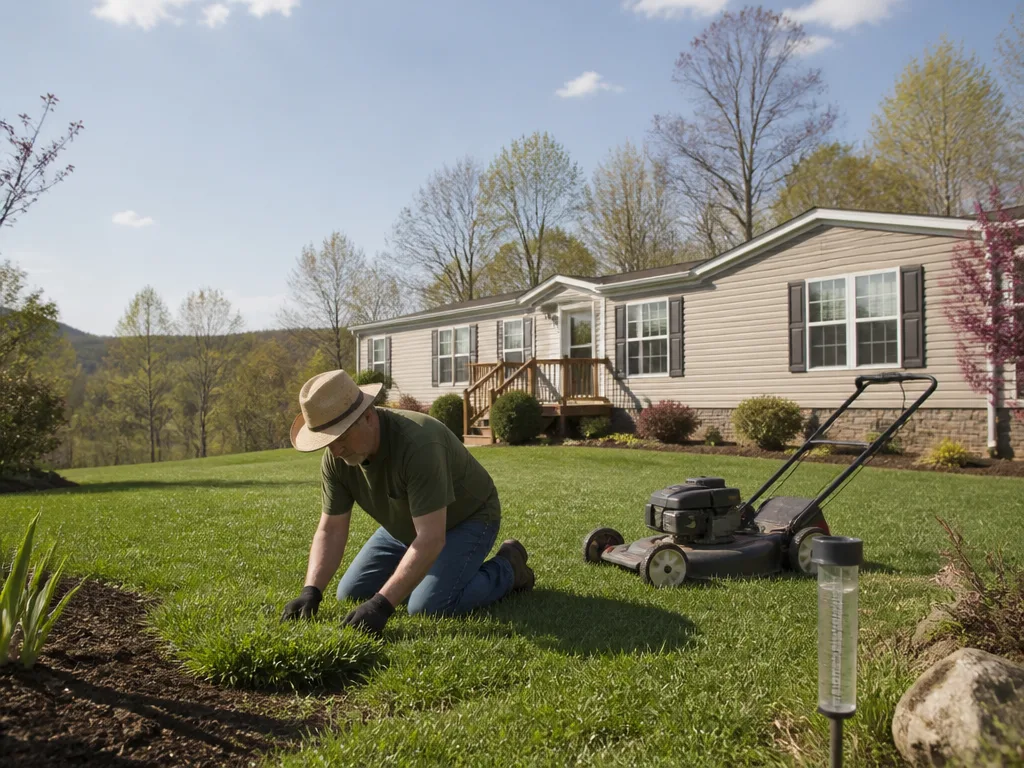
Small tasks like quick mowing adjustments, lifting mower height for seasonal changes, or removing light debris are doable by a homeowner. In Clayton, aim to keep the mower blades sharp and adjust height to 2.5 to 3 inches in spring and fall. Regularly remove leaves to prevent a dark layer that blocks sunlight from reaching the grass blades.
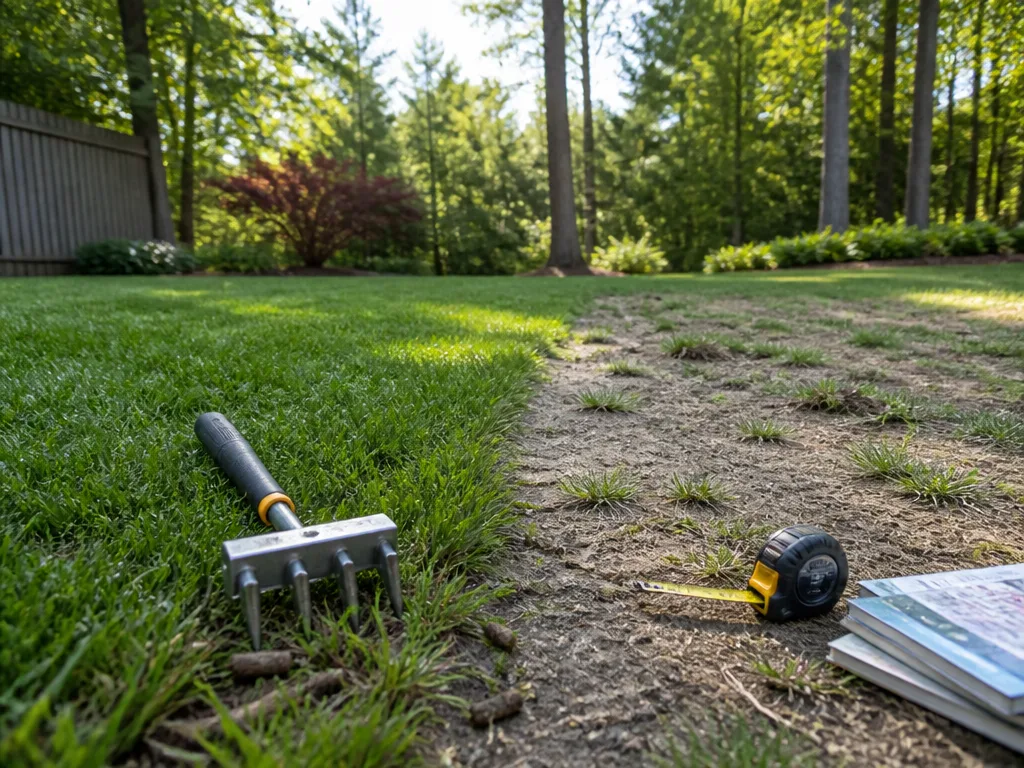
Soil testing is accessible and smart. If you notice persistent color gaps or uneven growth, pull a few soil samples from several spots and send them to a local soil lab. If your pH is off by more than a point or two, you’ll want to address that before applying nutrients.
When a pro should step in
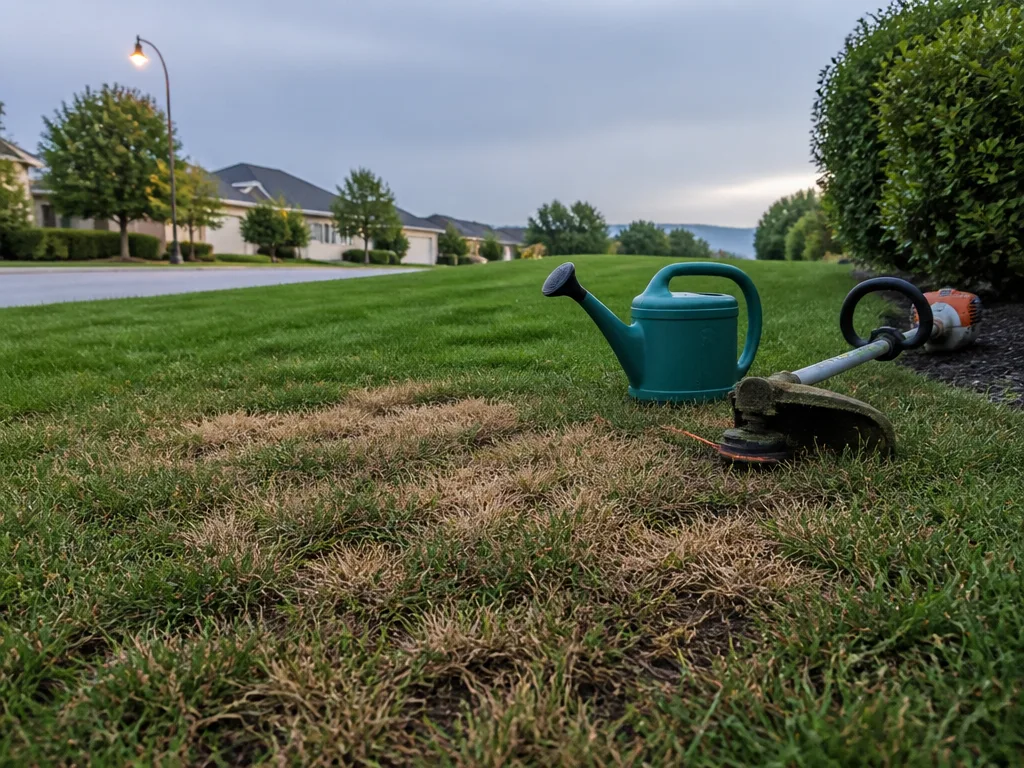
Persistent thinning, compacted soil, or trouble spots that don’t respond after a season of adjustments are red flags. A lawn care specialist can aerate the lawn to relieve compaction, which is common in Clay soils after wet winters and dry summers. They can also design a nutrient plan based on soil tests and climate patterns specific to Clayton.
If you’re dealing with poor drainage or recurring brown patches near walkways or driveways, a professional assessment is time well spent. A pro will check irrigation coverage, adjust runtimes, and help you avoid overwatering or underwatering plants around the yard.
Practical steps you can take now
Keep a simple mowing routine that avoids removing more than one third of the blade height at a time. In Clayton heat, raise mowing height slightly to protect crowns and roots. Water deeply and infrequently, aiming for about 1 inch of water per week in the growing season, adjusting for rainfall.
If you’re unsure about a patch or you suspect soil compaction, start with a soil test and consult a lawn care specialist to map out a plan. A little pro-guided maintenance now saves more work later.